Artificial Eye Project
Active 1969 - 1975
- Institution
- University of Utah
- Research topics
The Artificial Eye Project was established in 1969 at the Institute for Biomedical Engineering of the University of Utah under the direction of William H. Dobelle. The project investigated the feasibility of restoring limited vision through electrical stimulationthe use of controlled electric current to activate or alter neural activity of the visual cortex using implanted electrode arrays.1
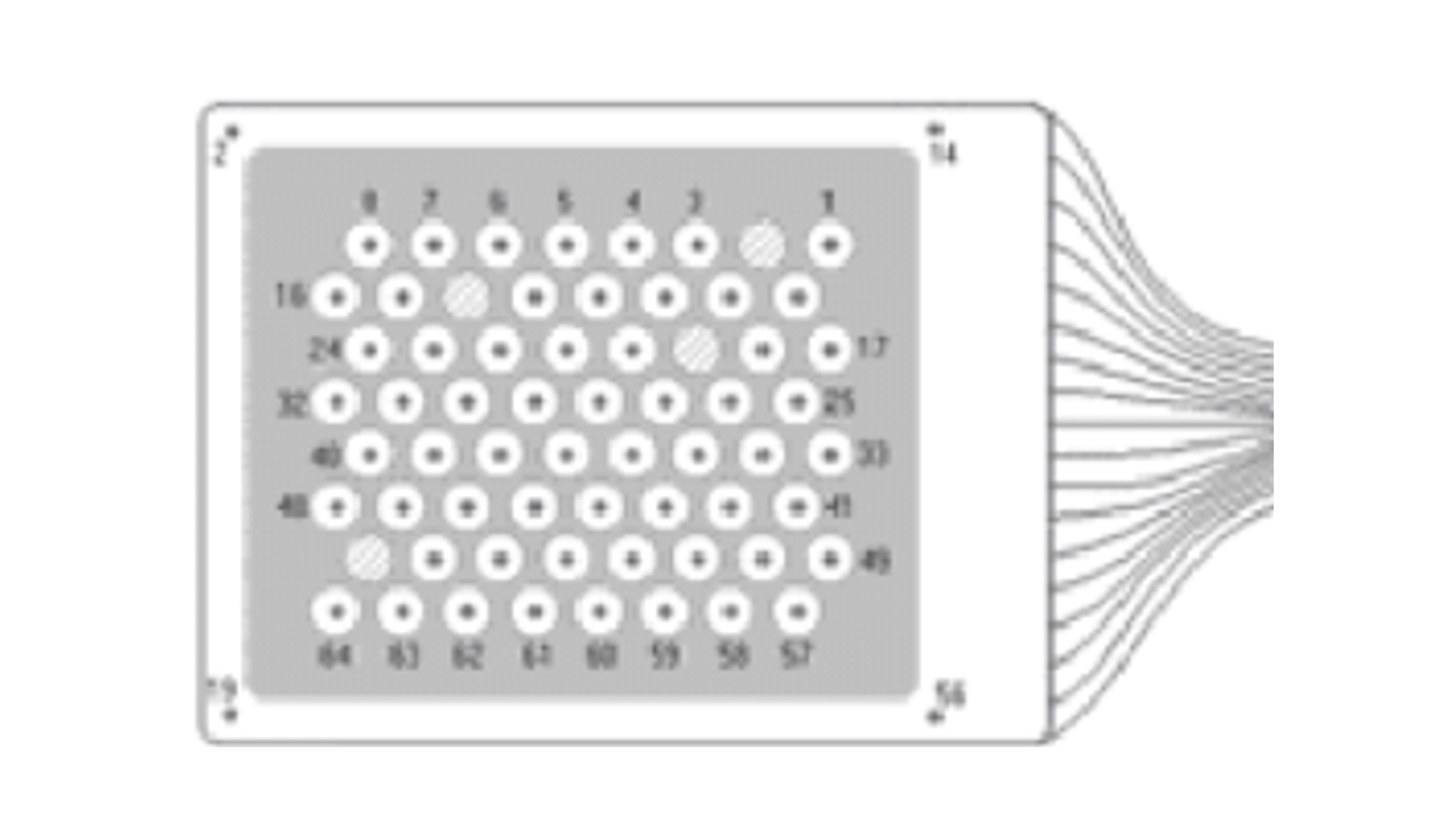
In collaboration with the University of Western Ontario, the group conducted pioneering experiments demonstrating that stimulation of multiple cortical electrodes could produce recognizable visual patterns in people with blindnesssevere vision loss that may still include some remaining sight.2 These studies laid the groundwork for the Dobelle Eye. The project subsequently moved to Columbia University following Dobelle's appointment as Director of Artificial Organs in 1975.
Footnotes
-
Rehabilitation Engineering: A Plan (1971). Research project directory, entry 407 (NIHthe primary U.S. federal agency supporting biomedical and public health research 70-2278, Artificial Eye Project). Full text (opens in a new tab) ↩
-
Dobelle, W. H., Mladejovsky, M. G., & Girvin, J. P. (1974). Artificial vision for the blind: Electrical stimulation of visual cortex offers hope for a functional prosthesis. Science, 183(4123), 440–444. DOI (opens in a new tab) ↩
Visual Prosthesis
 Dobelle Artificial Vision SystemCortical, Electronic
- First patient 1974
- >19 implanted
- Discontinued 2004
Director
- William H. Dobelle, Director1969 - 1975

Article information
How verification worksVersion 1 (unverified)
Created on by Michael Beyeler. Last updated on by Michael Beyeler.
Authors
- Michael BeyelerAssociate Professor, UC Santa Barbara