Mapping the World of Bionic Vision
More than 43 million people (opens in a new tab) worldwide were blindsevere vision loss that may still include some remaining sight in 2020, many from conditions with no effective treatment. Researchers are developing technologies that could restore useful vision, from retinal implantsan implanted electronic device that stimulates surviving retinal neurons to create visual percepts to stimulation of the visual cortexstimulation applied to the cerebral cortex to alter neural activity or evoke a percept.
bionic-vision.org is a researcher-maintained guide to the implants, companies, research groups, and people shaping this field, past and present. Meet the team and learn about our mission.
Explore the Field
- 26 ImplantsVisual prostheses in active development
- 29 CompaniesCompanies developing bionic vision technologies
- 75 Research GroupsLabs advancing bionic vision research
- 333 PeopleResearchers, clinicians, and advocates
79 entries verified by experts in the field. Know of a project we’re missing, or something we got wrong? Contact us to help improve the directory.
Learn
Restoring useful vision to people with blindness has been a goal of medicine for centuries. Although high-resolution artificial vision remains out of reach, decades of research have brought bionic eye technologies from early experiments to clinical trialsa research study in people that evaluates a medical intervention and, in some cases, approved devices.
Explore the history of bionic vision, the causes of blindness, and the approaches to sight restoration, including visual prosthesesa device intended to create visual percepts by stimulating the visual system, gene therapya medical approach that treats or prevents disease by changing genetic material in cells, optogeneticsthe use of light-sensitive proteins to control genetically targeted cells, and cell-based treatmentstreatment that uses living cells to replace, repair, or support damaged tissue.
Research Spotlights
Conversations with the researchers, clinicians, and innovators behind bionic vision, exploring their discoveries, challenges, and what's next.
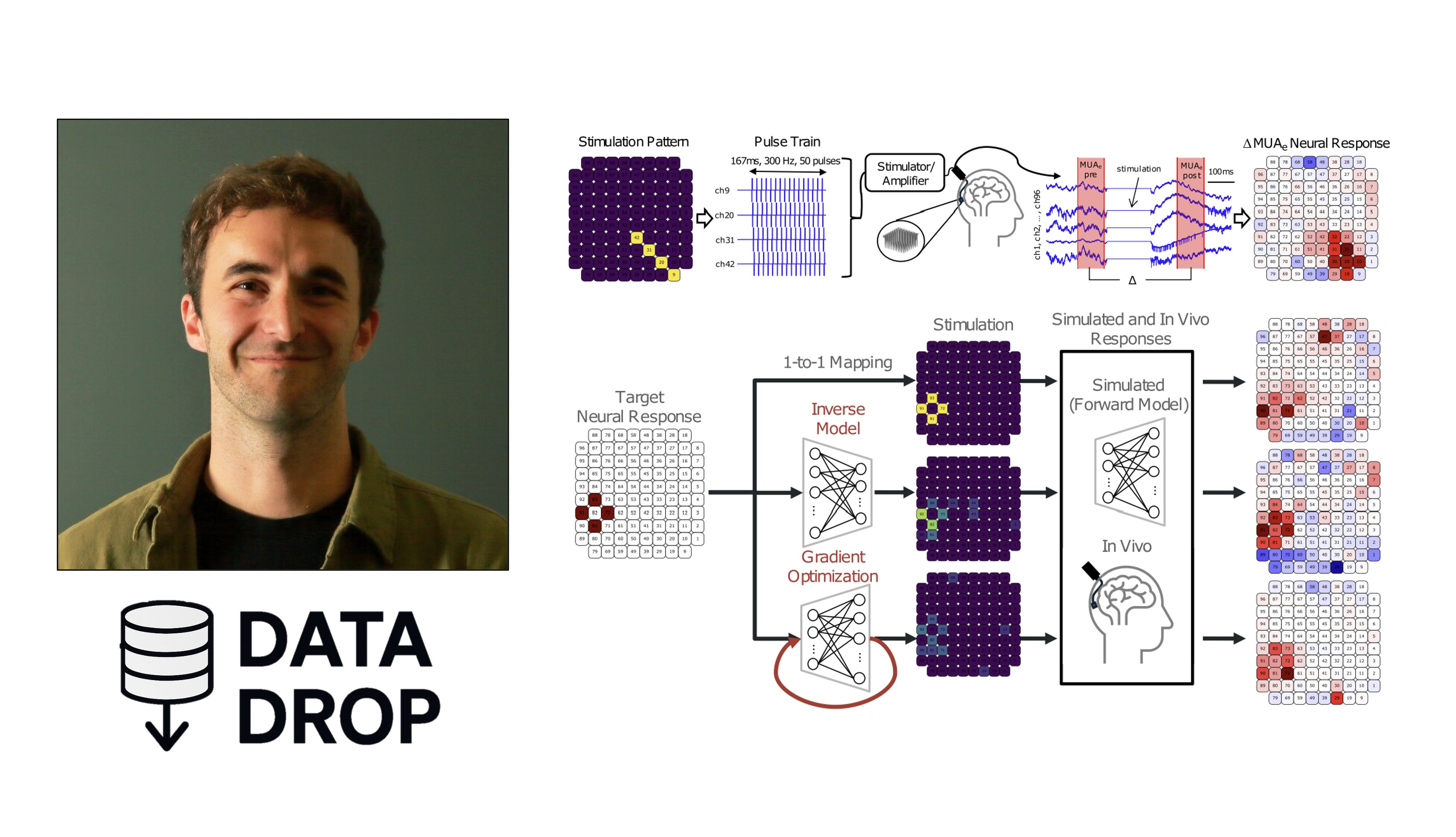
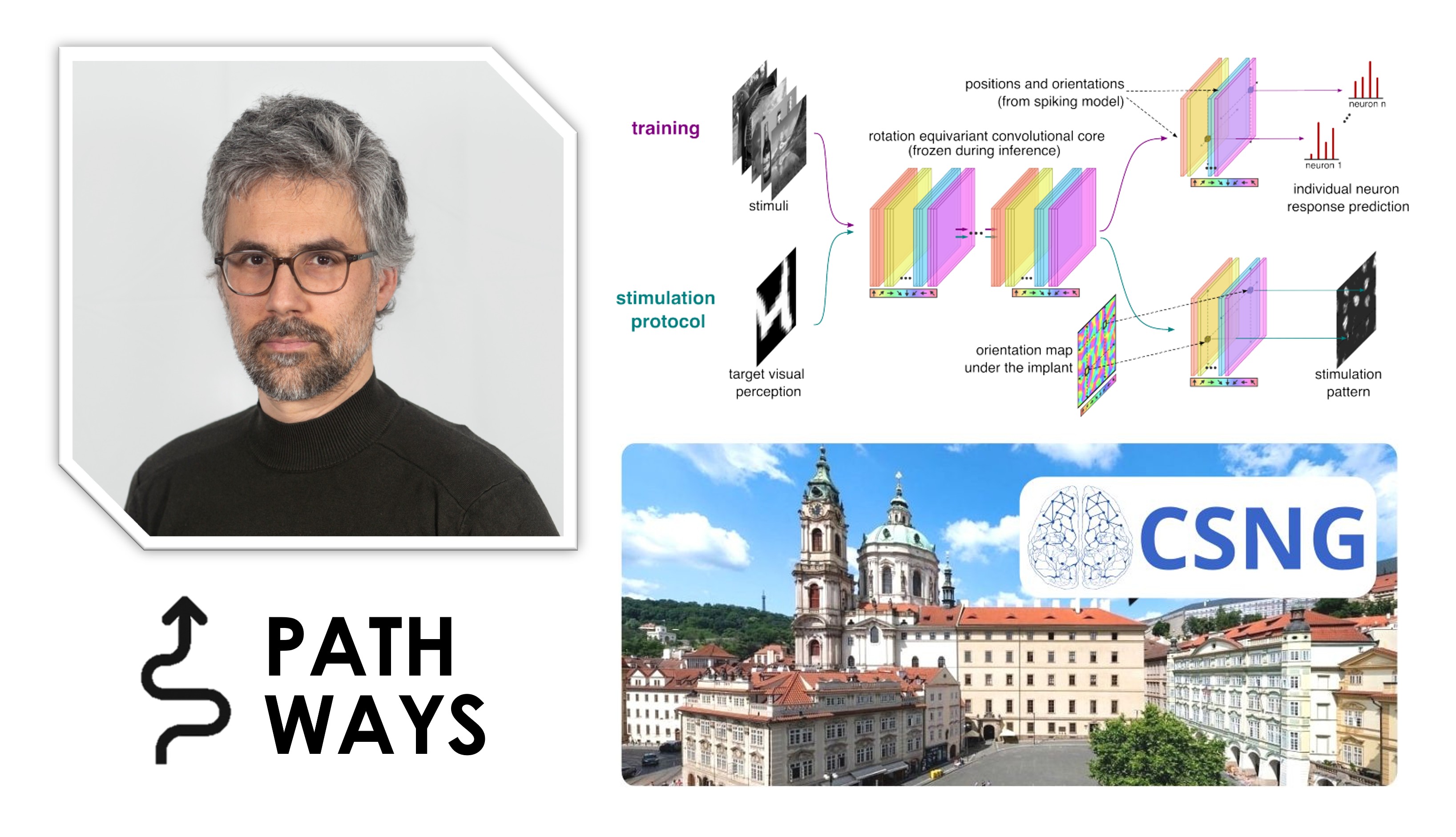
Pehuén Moure on Learning to Control Artificial Vision Through Brain Activity
Data Drop, October 9, 2026, 7 min readIn a new Neuron paper, Dr. Pehuén Moure and colleagues go a step beyond predicting how visual cortex responds to electrical stimulation: they use those predictions to control the response itself.
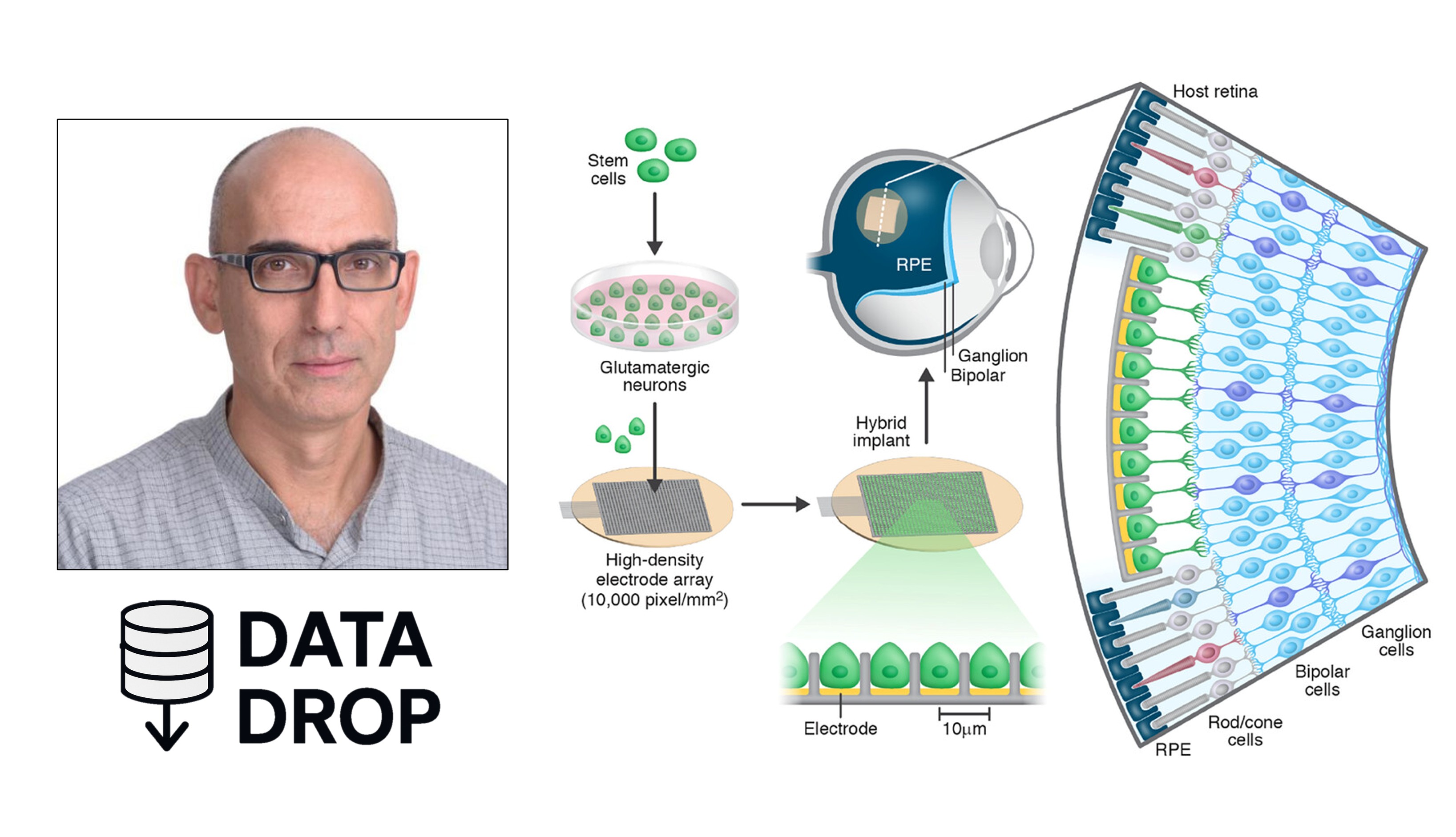
Prof. Yossi Mandel on Merging Electrodes and Neurons for High-Acuity Vision Restoration
Data DropOctober 28, 2025, 5 min read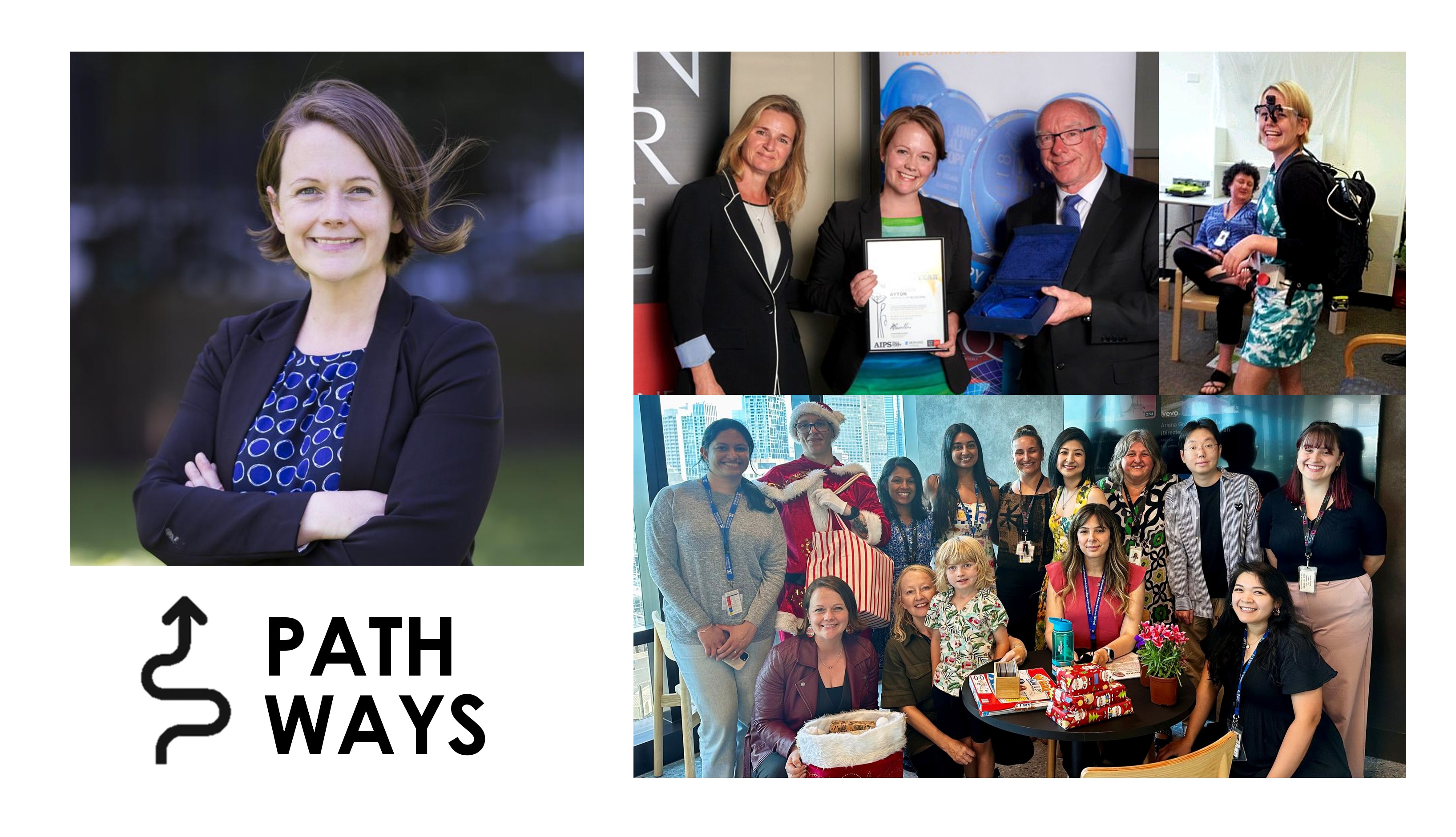
Prof. Lauren Ayton’s Journey from the Clinic to the Future of Sight Restoration
PathwaysSeptember 25, 2025, 9 min read
Upcoming Events
- Artificial Vision '26, Aachen, GermanyDec 11 - 12, 2026
- ARVO '27, San Diego, CA, USAMay 2 - 6, 2027
- IEEE EMBC '27, Singapore, SingaporeJul 11 - 15, 2027
- IEEE NER '27, Milano, ItalySep 7 - 10, 2027

Job Openings
- Assistant Professor Biomedical Engineering, University of Wisconsin-MadisonOct 23, 2026
- Software Engineer, ReVision ImplantOct 22, 2026
- PhD Position: Low Vision & Computational Psychophysics, Bionic Vision LabSep 17, 2026
- Manufacturing Engineer, NeuralinkSep 15, 2026