Science Biohybrid
Cortical, Hybrid, Preclinical
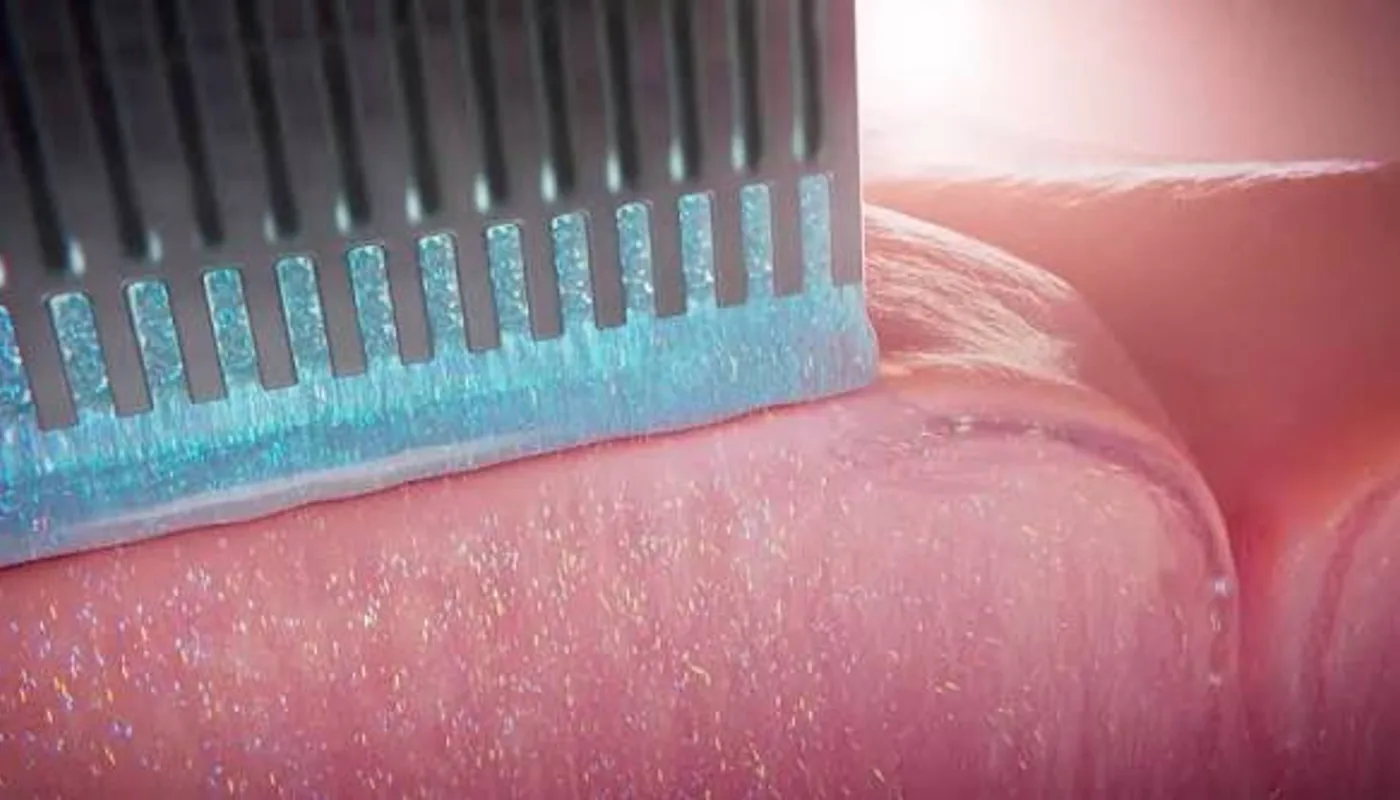
Science Biohybrid is an experimental brain-computer interface (BCI) being developed by Science Corporation. Rather than relying on electrodes inserted into brain tissue, the system uses living neuronsa specialized cell that processes and transmits information in the nervous system to form a biological connection between an implanted electronic device and the cerebral cortexthe folded outer layer of the brain involved in perception, thought, and voluntary action. Neurons grown in microscopic wells on the implant extend their axons and dendrites into the surrounding brain tissue, potentially allowing information to pass between the device and the brain through natural neural connections. The proposed architecture combines optogeneticsthe use of light-sensitive proteins to control genetically targeted cells, using light to activate genetically modified neurons, with microLEDs and recording electrodes to enable bidirectional communication.1
In 2024, Science researchers demonstrated an early version of the technology in mice. A transparent implant measuring 5 × 5 mm contained approximately 90,000 neurons, which survived implantation and extended processes into the underlying cortex. In behavioral experiments, five of nine mice learned to distinguish optical stimulation of the implanted neurons and use that information to obtain rewards. These findings provided an early demonstration that a biohybrid implant could transmit information to the brain, although the experiments did not yet incorporate the fully integrated electronic stimulation and recording system envisioned for future devices.2
Science aims to develop Biohybrid into a high-bandwidth neural interface capable of recording and stimulating large populations of neurons while reducing the tissue damage associated with conventional penetrating electrodes. As of 2026, the technology remains preclinical, with preparations underway for initial human studies. Although the underlying approach could eventually support sensory prostheses, Biohybrid has not yet been demonstrated as a vision-restoration device and is distinct from Science's PRIMA retinal prosthesisan implanted electronic device that stimulates surviving retinal neurons to create visual percepts.13
Footnotes
-
Science Corporation. Biohybrid: Connecting to the brain with living neurons. (opens in a new tab) ↩ ↩2
-
Brown J et al. (2024). Optogenetic stimulation of a cortical biohybrid implant guides goal directed behavior. (opens in a new tab) bioRxiv (preprint). ↩
-
TechCrunch (2026). Max Hodak's Science Corp. is preparing to place its first sensor in a human brain. (opens in a new tab) ↩
Milestones
- First in vivo animal study: Science demonstrated optogenetic stimulation of implanted neurons in mice, inducing learned behavioral responses and establishing an early proof of concept for cortical biohybrid interfaces. (source: biorxiv.org (opens in a new tab))
Article information
How verification worksVersion 1 (unverified)
Created on by Michael Beyeler. Last updated on by Michael Beyeler.
Authors
- Michael BeyelerAssociate Professor, University of California, Santa Barbara (UCSB)