PRIMA
Subretinal, Electronic, Approved
- Companies
- Science Corporation, Pixium Vision
- Research group
- Palanker Group
- Institution
- Stanford University
- Inventor
- Daniel Palanker
- Clinical trials
- NCT03333954 (opens in a new tab), NCT03392324 (opens in a new tab)
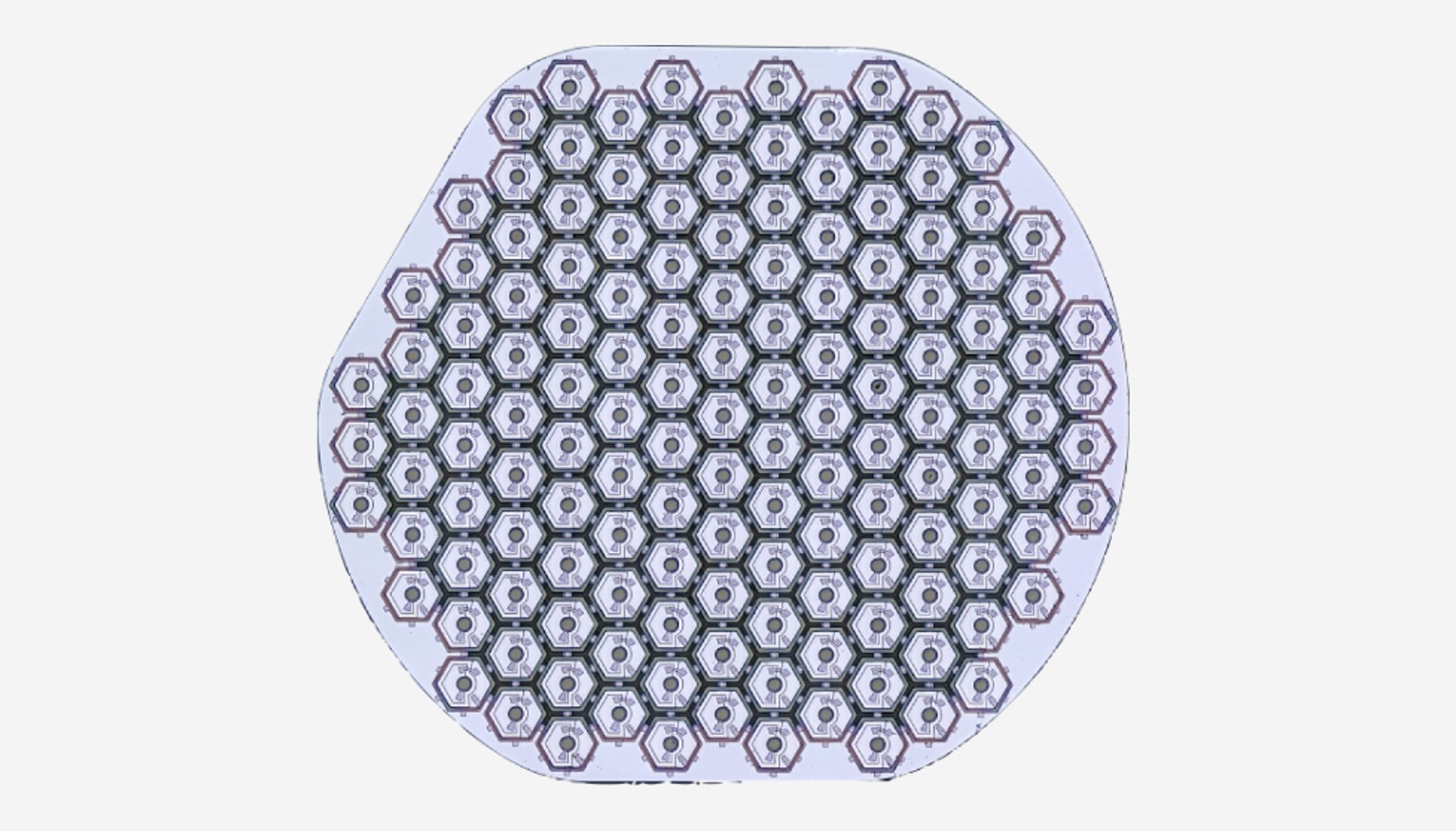
The Prima System is intended to partially replace the normal physiological function of the eyes photoreceptora light-sensitive retinal cell that converts light into a biological signal cells by electrically stimulatingthe use of controlled electric current to activate or alter neural activity the nerve cells of the inner retinathe light-sensitive neural tissue at the back of the eye that begins visual processing, which then transmit the visual information to the brain via the optic nervethe bundle of retinal ganglion cell axons that carries visual signals from the eye to the brain.
Media Gallery
Supplementary pictures and videos from the editorial team, not part of the verified profile.
Development Timeline
Bars show organizational lifespans, not periods of involvement with the implant. Dots mark key milestones.
Research groups
- Palanker GroupStanford University, 1996 to present
Companies
- Pixium VisionParis, France, 2011 to 2024
- Science CorporationAlameda, CA, USA, 2021 to present
Sources
- 2026 CE marking: European approval under the EU Medical Device Regulation (science.xyz (opens in a new tab))
Device Specifications
- Number of electrodes
- 378
Article information
How verification worksVersion 1 (unverified)
Created by Ryan Neydavood. Last updated on by Michael Beyeler.
Authors
- Ryan NeydavoodFormer Content Creator, bionic-vision.org
- Michael BeyelerAssociate Professor, UC Santa Barbara