Bionic Vision Australia
Founded 2010, Completed 2016
- Location
- Australia
Bionic Vision Australia (BVA) was a national consortium of researchers working together to develop bionic eye devices. The aim of this technology is to restore the sense of vision to people with vision impairmentan umbrella term for reduced visual function, ranging from mild vision loss to blindness due to retinitis pigmentosaa group of inherited retinal diseases that progressively damage photoreceptors and age-related macular degeneration.
The BVA bionic eye project brought together a cross-disciplinary group of world-leading experts in the fields of ophthalmologythe branch of medicine concerned with the eyes, vision, and related diseases, biomedical engineering, electrical engineering and materials science, neuroscience, vision science, psychophysicsthe study of how physical stimuli relate to perception and behavior, wireless integrated-circuit design, surgical, preclinical and clinical practice. In December 2009, the Australian Federal Government awarded a $42 million ARC grant to Bionic Vision Australia to develop bionic vision technology.
The consortium ceased operations on 31 December 2016. The technologies developed by the consortium are now being commercialised by Bionic Vision Technologies.
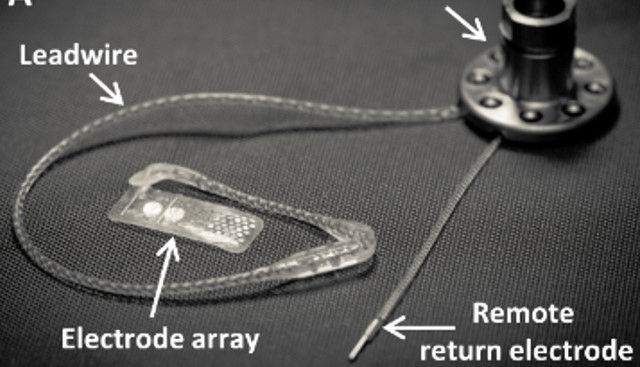
Visual Prostheses
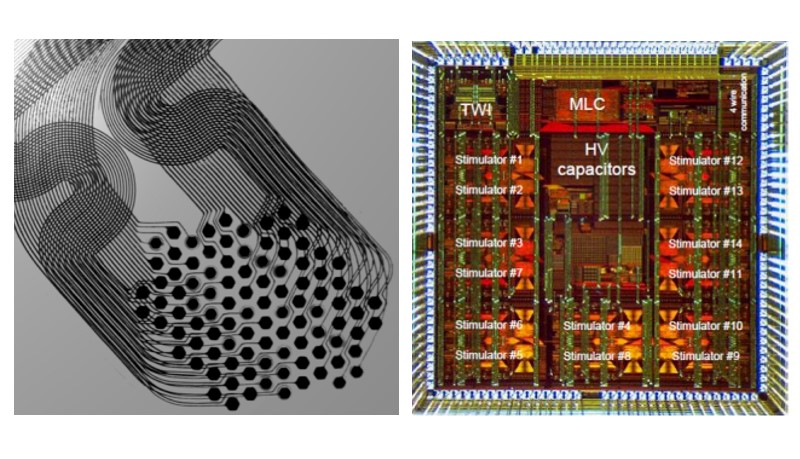

Home Institutions
- Bionics Institute, East Melbourne, Australia
- University of Melbourne, Melbourne, Australia
- University of New South Wales (UNSW), Sydney, Australia
- Centre for Eye Research Australia (CERA), East Melbourne, Australia

Commercial Partner
- Bionic Vision Technologies, Melbourne, Australia
Leadership
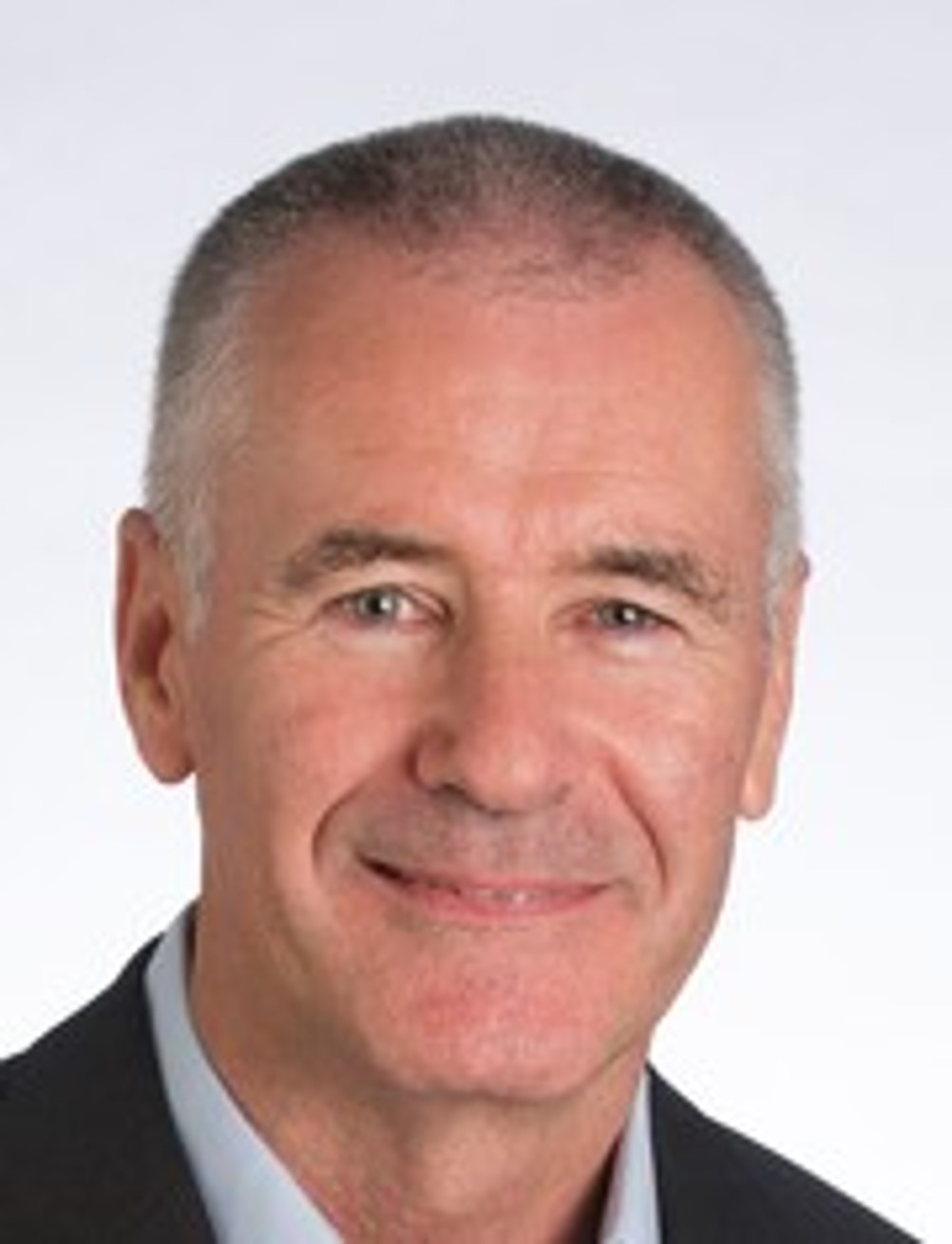
- Anthony Burkitt, Director2010 - 2016
Associated Researchers
Known to be associated with the consortium; this list may not be exhaustive.
- Carla J. Abbott, Surgical Coordinator2013 - 2016
- Penelope J. Allen, Program Leader: Surgical Team2010 - 2016
- Nick Barnes, Program Leader: Vision Processing2010 - 2016
- Chris McCarthy, Senior Researcher2010 - 2015
- Hamish Meffin, Principal Program Leader2011 - 2016
- Gregg Suaning, Program Leader: Device Development2010 - 2016
- Robert G. H. Wilke, Senior Scientist2009 - 2012


Article information
How verification worksNot yet verified. This page has not been verified by an expert yet, so the information presented here may be incomplete or inaccurate.
Last updated April 17, 2024 at 8:24 PM.
The following people contributed to this page:
- Daniel L. RathbunResearch Director, Henry Ford Health
- Michael BeyelerAssociate Professor, UC Santa Barbara